


Dota 2, Valve’s flagship MOBA, has long been praised for its depth, complexity, and competitive integrity. Yet in recent years—and especially following the rollout of updates in 2025—players have increasingly voiced concern over one of the game’s most fundamental systems: matchmaking. The promise of fair, skill-based competition has been undermined by inconsistent match quality, rank inflation, and algorithmic anomalies. This article explores the roots, evolution, and consequences of Dota 2’s matchmaking crisis, offering a comprehensive timeline and analysis of the issue.
- The Purpose and Promise of Matchmaking Matchmaking in Dota 2 is designed to pair players of similar skill levels, creating balanced games that reward strategy and teamwork. Valve’s matchmaking algorithm considers factors like MMR (Matchmaking Rating), win/loss history, and behavior scores to determine matchups.
However, the system’s complexity has become its weakness. As player pools shift and new updates roll out, the algorithm struggles to maintain consistency. The result is a growing disconnect between expected match quality and actual in-game experience.
Key matchmaking goals:
- Fair competition
- Balanced team compositions
- Accurate skill representation
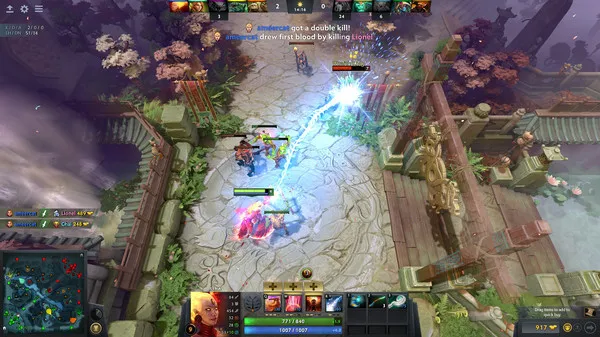
- The 2025 Update and Subtick Integration In early 2025, Valve introduced subtick architecture to Dota 2’s backend, aiming to improve responsiveness and server-side accuracy. While subtick improved input timing and animation fluidity, it inadvertently disrupted matchmaking calibration.
Players reported sudden shifts in rank, with formerly stable accounts being placed in wildly inconsistent matches. The subtick system changed how performance metrics were interpreted, leading to misaligned MMR adjustments and skewed match quality.
Subtick effects on matchmaking:
- Faster data processing but unstable calibration
- Misinterpretation of player impact
- Increased volatility in ranked games
- Rank Inflation and the Myth of Progress One of the most visible symptoms of matchmaking failure is rank inflation. Players who previously hovered around Archon or Legend found themselves promoted to Ancient or Divine without a corresponding improvement in skill.
This inflation creates a false sense of progress, undermining the credibility of ranked tiers. It also leads to mismatched games, where players are placed in brackets beyond their actual capabilities, resulting in frustration and toxicity.
Consequences of rank inflation:
- Misleading skill representation
- Unbalanced team compositions
- Increased player dissatisfaction
- Smurfing and Account Manipulation Smurfing—where high-skill players use low-ranked accounts—has plagued Dota 2 for years. But the recent matchmaking instability has made it worse. With rank inflation and calibration errors, smurfs can easily exploit the system to dominate lower brackets.
Valve’s attempts to curb smurfing through phone verification and behavior tracking have had limited success. The matchmaking algorithm often fails to detect smurfs early, allowing them to skew match outcomes and ruin the experience for genuine low-ranked players.
Smurfing impact:
- Demoralizing losses for new players
- Skewed match statistics
- Reduced trust in ranked integrity
- Behavior Score and Communication Restrictions Dota 2’s behavior score system is meant to reward positive conduct and penalize toxicity. However, many players report being unfairly muted or restricted due to frustration stemming from poor matchmaking.
When players are consistently placed in unbalanced games, communication becomes strained. Valve’s automated moderation tools often punish reactive behavior without addressing the root cause—matchmaking failure.
Behavior score issues:
- Punishment without context
- Communication breakdowns
- Mislabeling frustrated players as toxic
- Role Queue and Draft Imbalance Role queue was introduced to improve team composition by allowing players to select preferred roles. While it reduced role conflicts, it also created new problems. The matchmaking system often prioritizes role balance over skill balance, leading to uneven matchups.
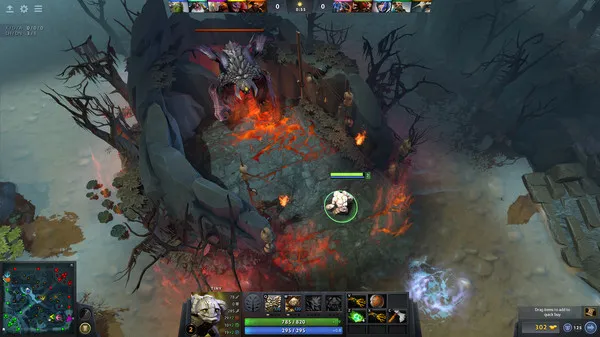
For example, a team with five role-locked players may face a team with flexible picks and higher synergy. This imbalance is especially noticeable in ranked games, where coordination and draft strategy are crucial.
Role queue challenges:
- Skill mismatch across roles
- Draft rigidity
- Reduced strategic flexibility
- Regional Disparities and Server Pooling Dota 2’s global player base spans multiple regions, each with unique playstyles and skill distributions. However, server pooling—where players from different regions are matched together—has led to communication barriers and gameplay friction.
Players from Southeast Asia, Europe, and South America often report mismatches in tempo, strategy, and coordination. Language barriers and latency issues further complicate match quality, especially in ranked games.
Regional matchmaking problems:
- Cross-region latency
- Communication breakdowns
- Cultural gameplay differences
- Matchmaking Transparency and Player Trust Valve’s matchmaking system is largely opaque. Players have limited insight into how matches are formed, how MMR is calculated, or why certain teammates are assigned. This lack of transparency erodes trust and fuels conspiracy theories.
Many players believe the system is rigged to force win/loss streaks or punish certain behaviors. While these claims are often anecdotal, the absence of clear communication from Valve allows misinformation to spread unchecked.
Transparency concerns:
- Lack of public algorithm details
- MMR calculation ambiguity
- Community distrust and speculation
- Community Feedback and Developer Response The Dota 2 community has been vocal about matchmaking issues. Reddit threads, YouTube breakdowns, and forum posts dissect match data and highlight inconsistencies. Despite this, Valve’s response has been slow and minimal.
Patch notes occasionally mention “matchmaking improvements,” but without specifics. Players feel ignored, and many have left ranked mode entirely. A more proactive and transparent approach from developers is urgently needed.
Community demands:
- Detailed patch explanations
- Open feedback channels
- Developer accountability
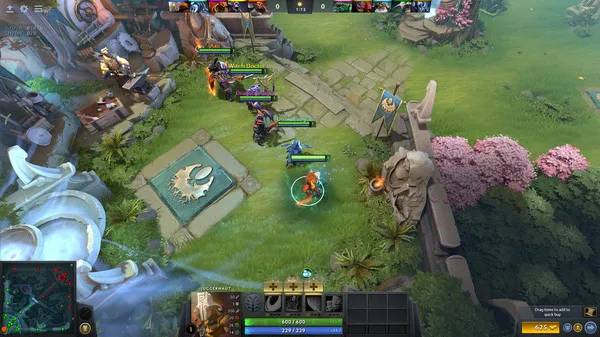
- Solutions and the Road Ahead Fixing Dota 2’s matchmaking requires systemic changes. Valve must recalibrate MMR algorithms, improve smurf detection, and enhance behavior score context. Transparency is key—players need to understand how the system works and why decisions are made.
Introducing a public matchmaking dashboard, refining subtick integration, and regional matchmaking filters could restore balance. Most importantly, Valve must prioritize player experience over backend efficiency.
Recommended fixes:
- Public matchmaking metrics
- Smurf flagging and stricter penalties
- Regional matchmaking filters
- Behavior score reform
Conclusion Dota 2’s matchmaking system, once a pillar of competitive integrity, now stands as one of its most criticized features. From rank inflation and smurfing to regional mismatches and opaque algorithms, the problems are layered and persistent. While Valve has made incremental changes, the community demands more transparency, accountability, and meaningful reform. Only by addressing these issues head-on can Dota 2 reclaim its reputation as the gold standard of competitive MOBAs